In a Hurry? Key Takeaways
Manage editing clients with a visible lifecycle: qualification, scoped onboarding, asset intake, milestones, consolidated review, approval, delivery, payment, and retention.
Named owner and next action
Approved scope and deadline
Organized assets and versions
Single feedback and approval path
Scale Your Video Editing Agency With Zero Chaos
Manage freelance editors, streamline revisions, protect clients with two-lane masked messaging, and retain 100% of your earnings. No hidden fees, no marketplace middleman cuts.
Give every client one operating path
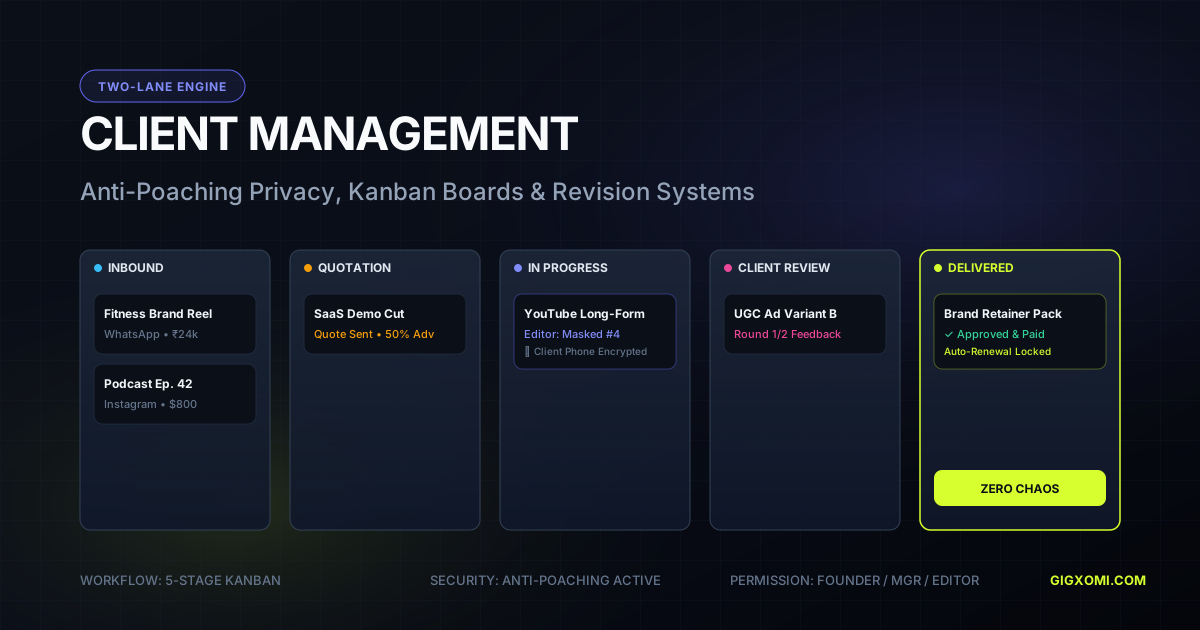
Define stages that every engagement passes through: lead, qualified, proposed, won, onboarding, active, waiting for client, review, approved, delivered, paid, and retained or closed. Each active item needs an owner, next action, and date.
During onboarding, confirm objectives, stakeholders, scope, brand references, assets, file structure, communication channel, turnaround, feedback method, and payment schedule. Record decisions where the whole delivery team can find them.
Control feedback and scope
Use a version naming rule and one place for timecoded feedback. Ask the client to appoint an approver and consolidate stakeholder comments before each round. Conflicting comments should return to the approver instead of becoming silent editor guesswork.
When the request changes the agreed brief, explain the effect on price or deadline and obtain approval before continuing. Calm change control protects both trust and margin.
Close delivery deliberately
Run a final check for specifications, spelling, captions, audio, licenses, brand rules, aspect ratios, and file names. Record approval, send the correct deliverables, invoice on schedule, and state how long source and project files will be retained.
After a successful project, review actual effort and ask about the next publishing need. Retention should be based on a useful recurring plan, not an automatic retainer pitch to every client.
What To Check Before You Decide
- Named owner and next action
- Approved scope and deadline
- Organized assets and versions
- Single feedback and approval path
- Delivery, invoice, and retention record
Comparison Table
| Option | Best for | Tradeoff | Gigxomi angle |
|---|---|---|---|
| Email and folders | Very small, simple workload | Status and decisions fragment quickly | Add a shared operating view as volume grows. |
| Generic project tool | Flexible task coordination | Needs custom setup for editing workflows | Use video-specific stages, assignments, and client context. |
| Integrated agency OS | Clients, editors, projects, and payouts together | Requires consistent adoption | Keep the full delivery relationship visible in one system. |
Action Steps for how to manage video editing clients
- Define your client and project stages.
- Create one onboarding checklist and brief.
- Assign one feedback location, approver, and version rule.
- Record scope changes before doing extra work.
- Complete approval, archive, invoice, and retrospective steps after delivery.
The Video Editing Agency Delivery Engine
How modern studios scale client capacity without founder micro-management or poaching risk:
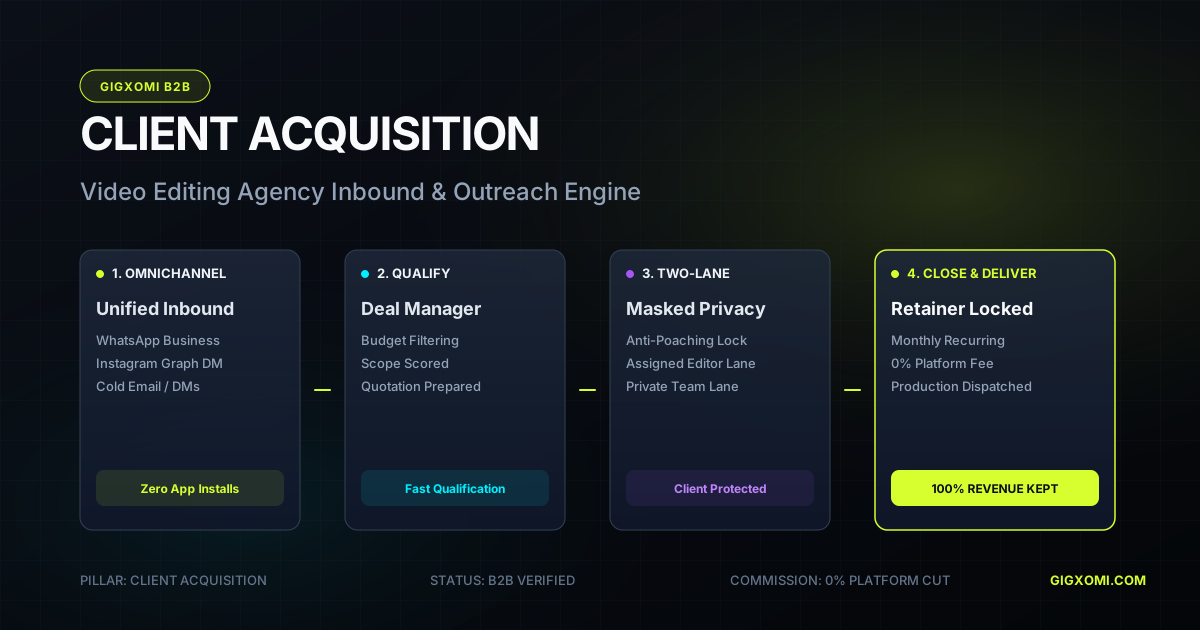
Omnichannel Inbound
WhatsApp & Instagram DM leads arrive in Unified Inbox
Qualification & Quote
Manager scores scope, prices deal & sends quote link
Two-Lane Masked Chat
Editor receives brief; client phone is 100% encrypted
Review & Approval
Client approves rough cut with gated revision limits
0% Commission Payout
Agency keeps 100% of fees; auto-renewal locked
Anti-Poaching Guarantee: Editors never see raw client phone numbers or direct payment links. All communication is relayed via encrypted tokens, protecting your agency's client equity permanently.
Put the Process Into Practice
Gigxomi helps video-editing agencies and studio owners keep client context, manager delegation, editor assignments, reviews, delivery, and payout visibility connected. Use this guide to structure your process; use the workspace when that process requires shared ownership and a reliable operating record.
You can also read our in-depth video editing agency management software guide, or review agency workspace pricing.
Continue Your Plan
Manage Client Delivery with Zero Poaching Risk
Gigxomi's Two-Lane masked chat keeps client WhatsApp contacts visible only to managers, while 0% commission and WhatsApp concierge (+91 99933 28124) streamline your entire agency operations.
Frequently Asked Questions
How often should a video editor update a client?
Agree on a cadence based on project risk and duration. Update at milestones and immediately when a dependency threatens the deadline; avoid both silence and unnecessary status noise.
How do I stop endless video revisions?
Start with a precise brief, name one approver, consolidate timecoded feedback, define included rounds, and treat new creative direction as a scoped change.
What files should I keep after delivery?
Follow the agreement, licensing terms, privacy needs, and an explicit retention policy. Tell the client what will be archived, for how long, and what restoration may cost.
Related Guides
Explore more agency scaling blueprints, client acquisition systems, and software comparisons.
CRM for Video Editors: What to Track and Why
A useful CRM for video editors tracks relationships and revenue decisions—not just contacts—including source, fit, offer, next action, proposal, project history, and retention opportunity.

Video Editing Proposal Template: Scope Work Clearly
A strong video-editing proposal connects the client’s goal to exact deliverables, workflow, schedule, review limits, price, rights, and acceptance terms.
How to Outsource Video Editing Without Losing Quality
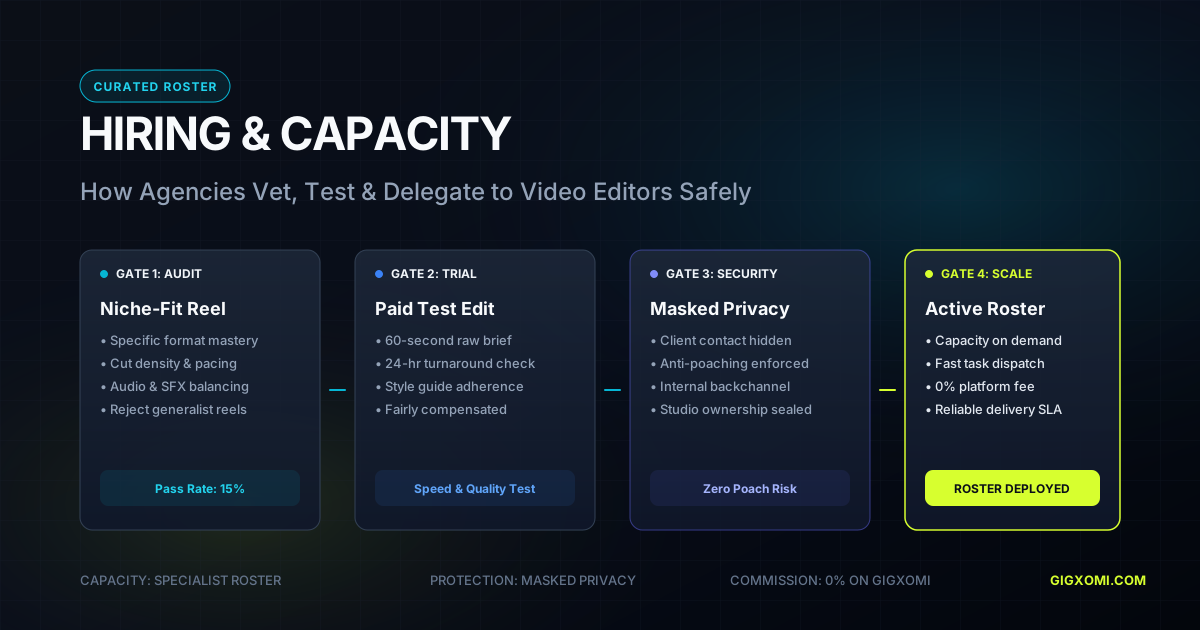
Outsource editing by standardizing the brief, choosing the correct delivery model, running a paid test, controlling files and feedback, and measuring quality and margin.
Video Editing Client Onboarding Checklist: The 72-Hour Agency Workflow
Onboarding sets the operational cadence for video editing retainers. Standardize your 72-hour agency intake: automate brand asset collection, lock creative briefs, establish cloud storage structures, and confirm turnaround SLAs.
Video Editing Turnaround Times: A Realistic Planning Guide
A reliable deadline begins with footage volume, edit complexity, review ownership, revision limits, and delivery format—not with a universal number of days.
How to Get Video Editing Clients: A Repeatable System
Build a repeatable client pipeline by choosing a niche, creating relevant proof, finding businesses with visible video demand, and following up with a specific offer.
How to Get Your First Video Editing Client
Get the first paid client by narrowing your offer, producing one relevant proof piece, contacting warm and well-researched prospects, and selling a small paid pilot.
How to Get Video Editing Clients as a Beginner
A beginner can compete through focus, reliable fundamentals, honest samples, fast communication, and a paid pilot that is small enough to deliver exceptionally well.